
Why Auto-Scaling Is the Heart of Modern Infrastructure
In modern software systems, auto-scaling plays a critical role in performance, cost optimization, and reliability. This article explores why auto-scaling is the heart of modern infrastructure, how it works, and the risks of implementing it incorrectly.
Why Auto-Scaling Is the Heart of Modern Infrastructure
In traditional infrastructure models, systems are built for a fixed capacity. This often leads to either underperformance or unnecessary costs. In modern systems, demand is dynamic—and that’s where auto-scaling becomes essential.
What Is Auto-Scaling?
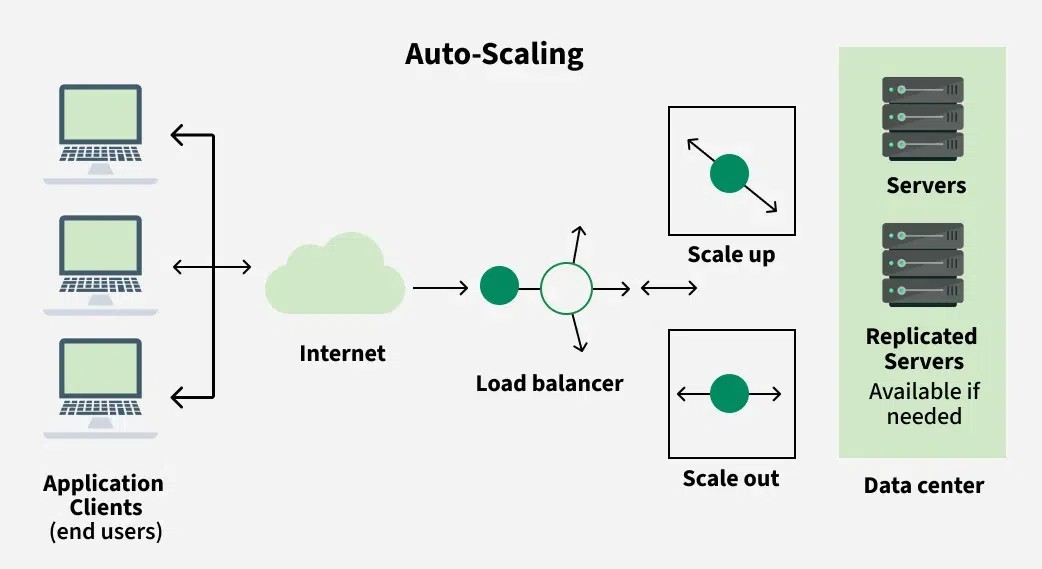
Auto-scaling is the ability of a system to automatically adjust its resources based on real-time demand. When traffic increases, capacity scales up; when it decreases, the system scales down.
This enables:
- Better performance
- Optimized costs
- Improved system reliability
Why It Matters
Modern applications:
- face unpredictable traffic
- experience sudden spikes
- serve global users
Without auto-scaling:
- systems fail under load
- user experience degrades
- costs spiral out of control
Balancing Cost and Performance
One of the biggest advantages of auto-scaling is its ability to balance cost and performance dynamically.
- Prevents over-provisioning
- Maintains performance under load
- Improves operational efficiency
Risks of Poorly Designed Auto-Scaling
When implemented incorrectly, auto-scaling can introduce serious issues:
- Constant scaling up and down (flapping)
- Delayed scaling responses
- Unexpected cost increases
To avoid this:
- Choose the right metrics
- Define proper thresholds
- Understand system behavior
Auto-Scaling in the AI Era
Modern systems are moving from reactive to predictive scaling.
AI-powered systems can:
- Forecast traffic
- Detect patterns
- Scale proactively
Conclusion
Auto-scaling is no longer optional—it is a core component of modern infrastructure. When designed correctly, it ensures performance, efficiency, and reliability at scale.