
The Power of Starting Small in Product Development
Starting small in product development is one of the most effective ways to learn faster, reduce risks, and reach the market earlier. This article explores why the MVP approach, iterative development, and scalable growth strategies are critical for building successful products.

The Power of Starting Small in Product Development
One of the most common mistakes in product development is trying to build the “perfect” product from day one. This approach often leads to wasted time, unnecessary costs, and delayed market entry. In reality, most successful products start small.
Why MVP Matters
A Minimum Viable Product (MVP) is the simplest version of a product that delivers its core value. The goal is to launch quickly and learn from real user behavior.
With an MVP approach:
- Development costs are reduced
- Product-market fit is discovered faster
- Unnecessary features are avoided
Fast Learning Through Iteration
Starting small enables faster learning. Products that evolve through user feedback outperform those built on rigid, long-term plans.
Iterative development allows:
- Continuous improvement
- Early risk detection
- Alignment with real user needs
Scalability: Timing Matters
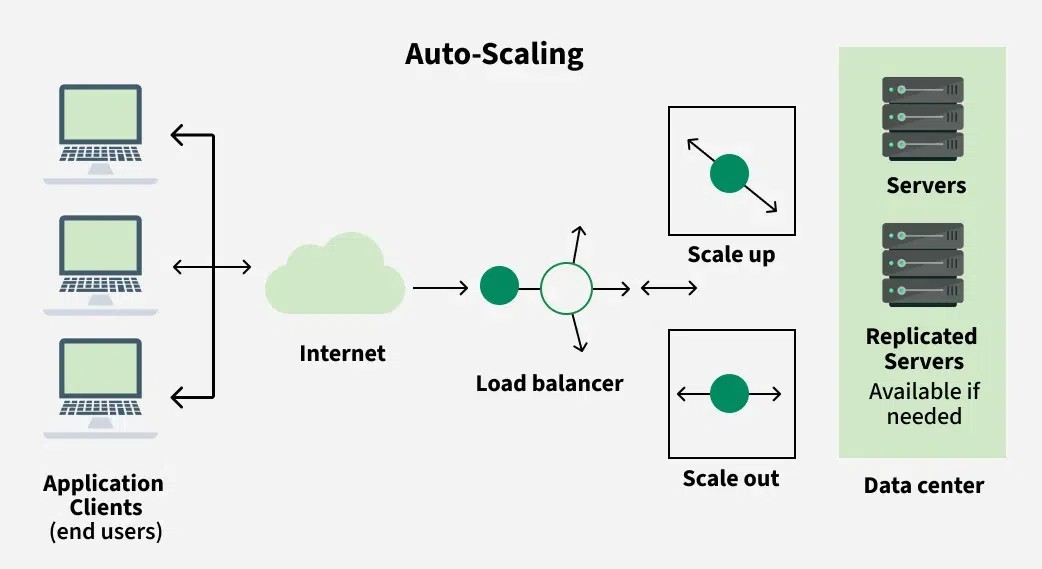
Many teams attempt to build scalable systems before validating their product. This often creates unnecessary complexity.
The right approach:
- Validate the product first
- Scale the system later
Starting Small in the AI Era
In the age of AI, starting small is even more powerful:
- AI solutions can be prototyped quickly
- Experiments can be run with real data
- High value can be created with lower cost
Conclusion
Starting small is not a weakness—it is a strategic advantage. With the right MVP, fast iteration, and well-timed scaling, teams can build sustainable and successful products.